

ENERGY PARKS EXPLAINED
What is an Energy Park and Why Does it Matter?
As electricity demand grows, data centers, industrial facilities and critical infrastructure are facing new challenges in securing reliable power and planning for future expansion.
An energy park brings together large electricity users and the energy infrastructure supporting them. Rather than treating electricity demand, power supply and control systems separately, an energy park takes a coordinated approach to planning and managing energy across a site or campus.
This creates an opportunity to better connect electrical infrastructure, generation, energy storage and control systems to support reliable operations, manage energy complexity and prepare for growth.
The Rise of Energy Parks
From Traditional Power Infrastructure to Integrated Energy Systems
For decades, electricity infrastructure followed a relatively straightforward model: large power plants generated electricity, utility grids delivered it, and businesses relied on that supply to power their operations.
Facilities typically managed electrical distribution, backup generation and building systems as separate parts of their infrastructure.
As energy needs evolved, organizations began incorporating additional resources such as solar generation, battery storage and microgrids. These technologies introduced greater flexibility and resilience, but also added complexity to how energy systems were managed.
Why Is the Demand for Energy Parks Growing?
Today, the way organizations produce, consume and manage electricity is changing.
The rapid expansion of data centers, artificial intelligence (AI), advanced manufacturing and electrification is increasing electricity demand, often faster than traditional grid infrastructure can expand.
For perspective, U.S. data center electricity consumption grew from approximately 58 terawatt-hours in 2014 to 176 terawatt-hours in 2023, according to the U.S. Department of Energy.
At the same time, new developments face challenges around grid capacity, interconnection timelines, power reliability and future expansion.
For energy-intensive facilities, securing enough electricity is no longer the only consideration. Organizations must also determine how quickly power can become available, where it will come from and how different energy systems will operate together.
The Shift Toward Energy Parks
These challenges are driving greater interest in energy parks as a coordinated approach to energy development.
Rather than planning buildings, electricity supply and control systems independently, developers can consider the entire campus as one interconnected energy environment.
This approach brings together utility connections, on-site generation, energy storage, electrical infrastructure and coordinated controls to support both current operations and future growth.
Energy parks are not necessarily a new form of power generation. They represent a broader approach to planning and managing the infrastructure that supports large electricity users.
As energy demand and infrastructure complexity grow, the challenge is no longer just delivering power. It is making sure the systems supporting that power can work together reliably.
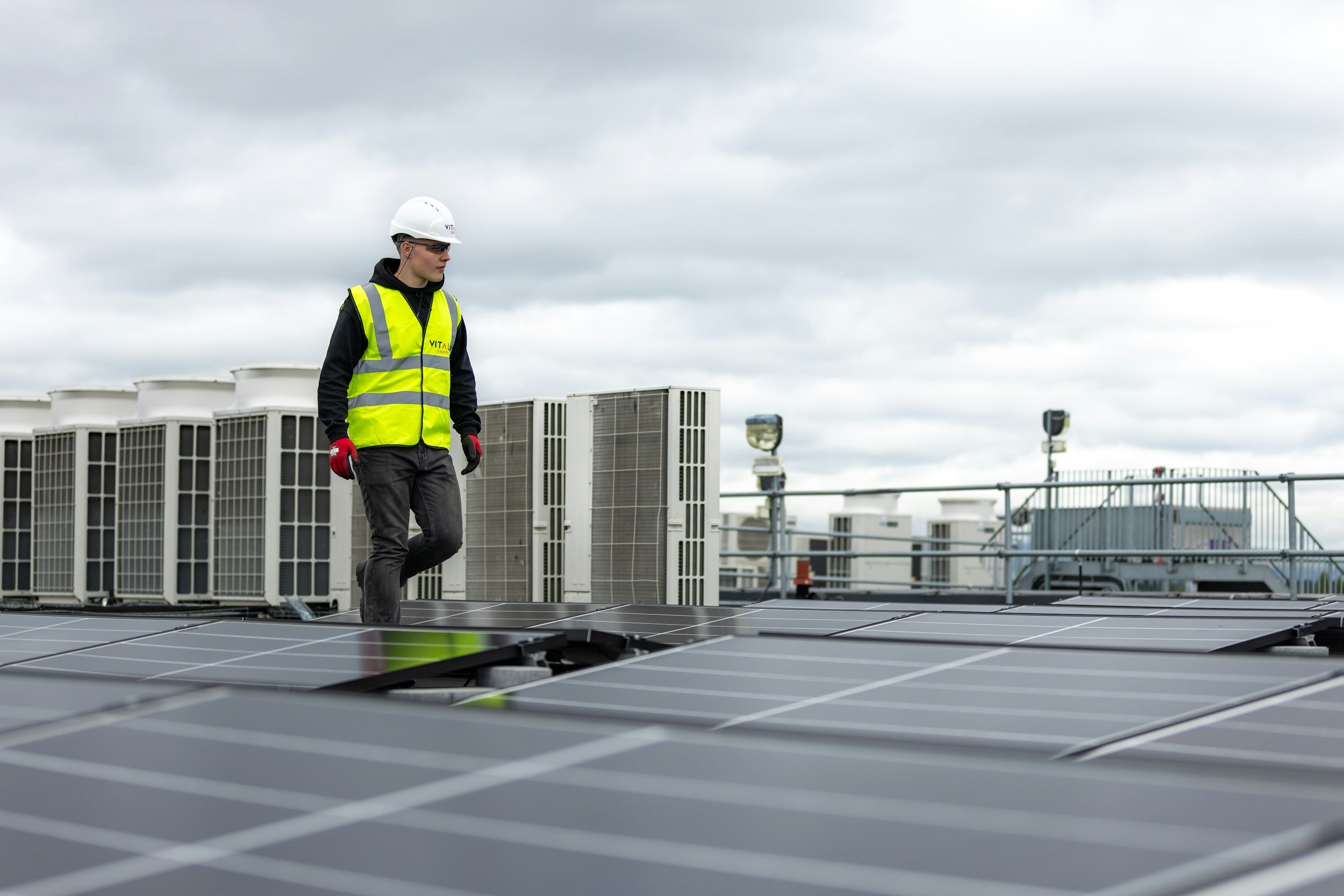
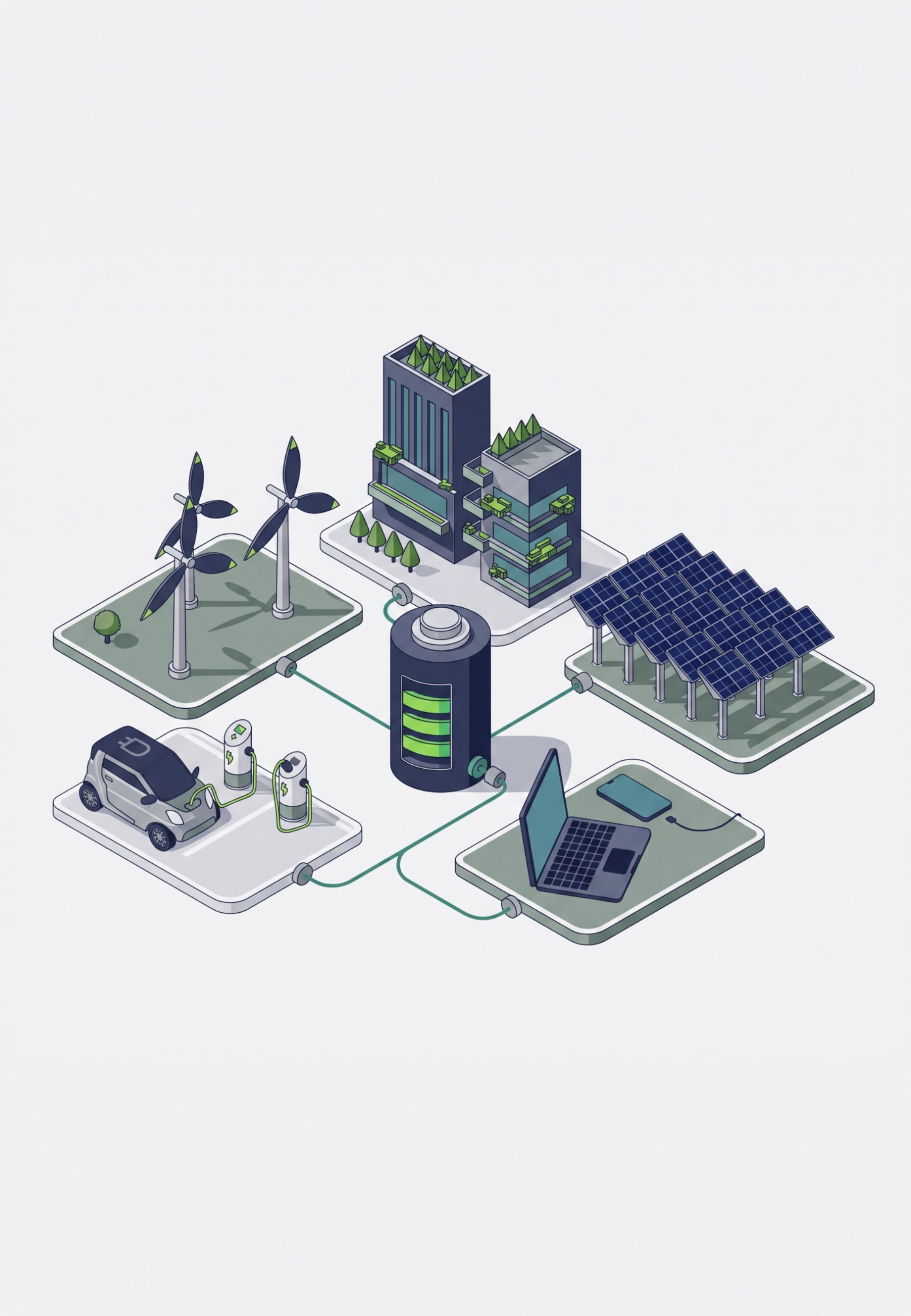
An energy park can include several interconnected systems, each serving a different role in supplying, distributing or managing electricity.
The infrastructure varies depending on the development, its energy requirements and available power resources.
What Makes Up an Energy Park?
-
The utility grid may serve as a primary power source for the development. Substations, transformers, switchgear and distribution equipment deliver electricity throughout the campus.
-
Solar, gas generation and other energy sources can supplement utility power, while Battery Energy Storage Systems (BESS) store electricity for later use. Together, these resources can support power availability, peak demand management, operational flexibility and resilience.
-
Understanding facility loads, including IT equipment, cooling and other building systems, is essential when designing energy infrastructure for data centers and other energy-intensive facilities. Electrical Power Monitoring Systems (EPMS) and Building Management Systems (BMS) provide visibility into power demand, energy consumption, equipment status and building operations to support load management and future capacity planning.
-
Control systems coordinate how connected energy resources and infrastructure operate. Integrating these systems allows information to be shared across equipment, vendors and operational platforms.
The value of an energy park comes not only from the individual assets, but also from how effectively they are planned, integrated and operated together.
How Are Energy Parks Different From Microgrids?
Energy parks and microgrids are closely related, but they describe different parts of an energy development.
An energy park is the broader development, bringing together electricity users, power infrastructure, generation, storage and supporting systems.
A microgrid is a controllable electrical system connecting local energy resources and loads within defined electrical boundaries. When designed for islanding, a microgrid can disconnect from the main utility grid and continue supplying connected loads independently.
An energy park may include one or more microgrids to support localized energy management, power resilience and coordination of generation and storage. However, not every energy park requires a microgrid, and not every microgrid is part of an energy park.
The energy park represents the overall development, while a microgrid can be one of the systems supporting its energy operations.
Why Energy Parks Matter
Energy-intensive developments face growing pressure to secure electricity, maintain reliability and manage increasingly complex infrastructure.
A coordinated approach to energy planning and operations can help address several important challenges.
-
For large developments, bringing usable power online in time to meet project milestones is a major priority.
While grid availability and construction schedules influence when power becomes available, early coordination of electrical systems, vendors and controls can help reduce avoidable integration and commissioning delays.
-
Critical operations depend on reliable electricity.
Power monitoring, load management and coordinated energy controls provide greater visibility into electrical infrastructure and can support operational resilience.
-
An energy park may include equipment from multiple manufacturers, each with its own control system and communication requirements.
Integrating these technologies provides greater operational visibility, helps reduce downtime and simplifies troubleshooting. For businesses, this can mean lower operating costs, more efficient energy management and greater flexibility to expand as energy needs grow.
-
Relying solely on traditional utility infrastructure can present challenges when grid capacity is limited, upgrades are costly or power availability does not align with development timelines.
Energy parks allow organizations to evaluate a combination of grid power, on-site generation and energy storage rather than depending on a single approach. This flexibility can help optimize energy costs, support phased development and identify technically and financially viable solutions based on site requirements.
-
Utilities must operate within regulatory requirements, grid capacity limits and reliability standards when supplying electricity to large energy users.
Energy parks must account for utility interconnection requirements, approved power capacity and operating limits. Coordinated monitoring and controls help facilities manage electricity demand, maintain visibility into grid interactions and operate within applicable requirements, while secure communication systems support reliable ongoing operations.
Example: A Data Center Campus Preparing for Growth
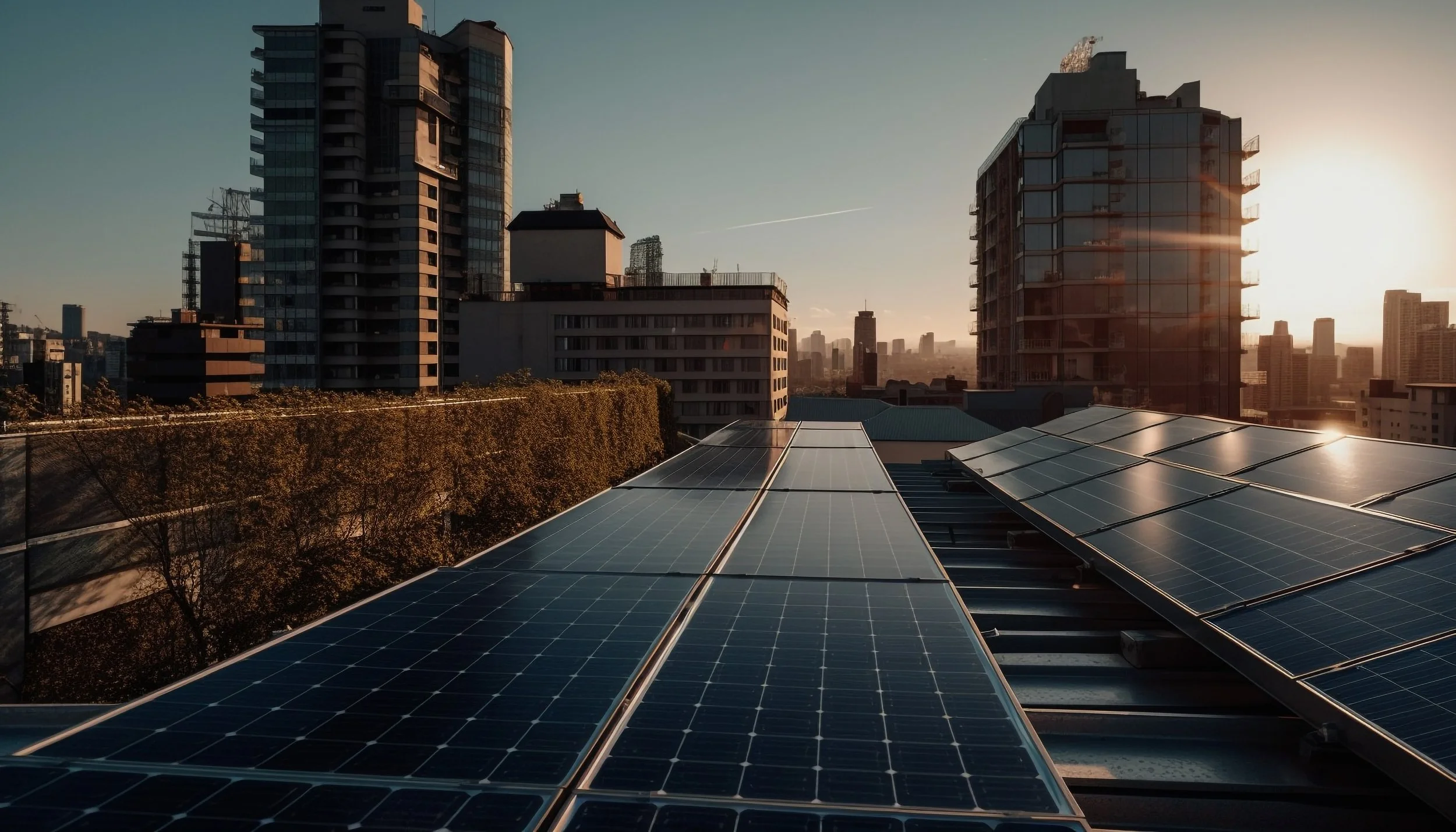
Each system may come from a different technology provider with its own controls, communication protocols and commissioning requirements.
Planning these systems independently can create integration challenges later in the project.
By coordinating system interfaces and controls requirements early, the development team can better prepare for commissioning, improve visibility across connected infrastructure and accommodate future expansion.
This illustrates an important consideration for energy parks: delivering power infrastructure is only part of the challenge. The systems supporting that infrastructure must also work together.
Consider a data center development planning multiple buildings* check terminology with significant electricity demand.
The campus requires utility power, electrical distribution equipment, backup generation, power monitoring and building management systems. As the development expands, additional power capacity and energy resources may be introduced.
*ask Ivan for clarification for this kind of example

Why Control Systems Matter
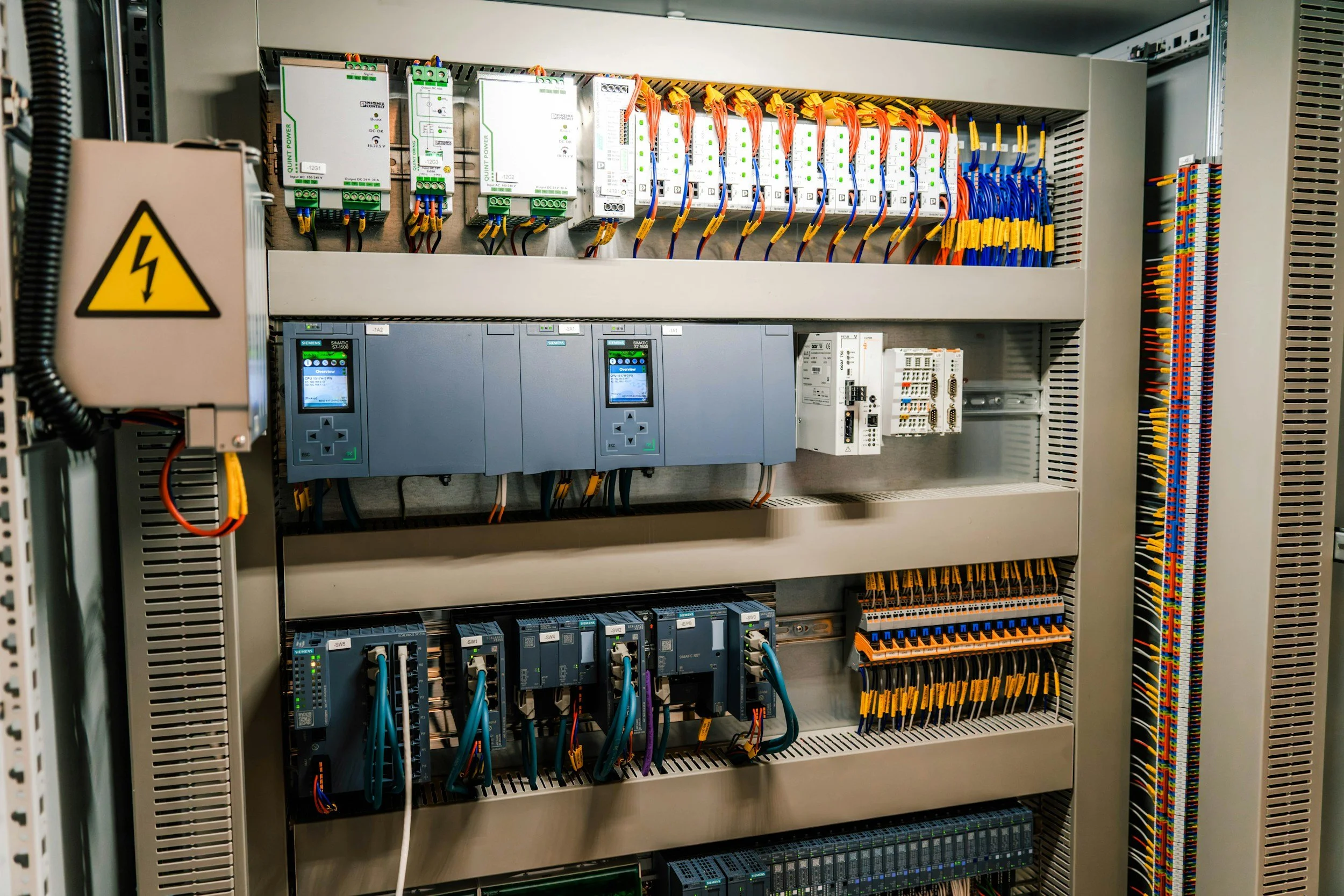
An energy park may contain multiple control systems responsible for different aspects of its operation.
Electrical protection systems manage switching and power transfer. EPMS platforms monitor electrical conditions. BMS platforms manage building operations. Generation and battery controllers operate their respective energy assets.
These systems perform different functions, but they often need to exchange information to support coordinated campus operations.
Effective integration requires:
Defined interfaces between equipment and control systems.
Reliable communication and accurate operational data.
Coordination between electrical, building and energy resource controls.
Consistent monitoring, alarms and reporting.
Secure operational technology connections.
Testing and commissioning across connected systems.
make a visual anchoring these concepts
want one partner to have a centralized control - where AZZO fits in
If the control strategy is poor, the battery may be discharged when it should be preserved for backup. Solar may be curtailed unnecessarily. Demand peaks may be missed. Backup systems may not coordinate properly during an outage.
This is why microgrids should not be treated as simple equipment projects. They are operational systems that require design, integration, controls, monitoring and lifecycle support.

Why Early Integration Matters for Speed to Power
For an energy-intensive development, securing electricity does not automatically mean the facility is ready to operate.

Power infrastructure, connected equipment and control systems must be configured, tested and commissioned to work together.
When integration requirements are identified late, teams may encounter communication issues, unclear system responsibilities or unexpected commissioning challenges.
Bringing a controls and integration partner into the project early can help define interfaces, align vendors, identify potential issues and prepare systems for operational readiness.
Early integration planning cannot eliminate every project delay, but it can help reduce avoidable challenges within the controls and commissioning process.
How AZZO Supports the Energy Park Lifecycle
One Partner. From Planning to Ongoing Operations.
Energy parks require more than the installation of power infrastructure. From initial energy planning to long-term operations, multiple systems, vendors and project stakeholders must work together.
AZZO brings energy advisory, engineering, systems integration, controls and lifecycle services into a coordinated approach, helping customers manage complexity across every stage of their energy infrastructure development.
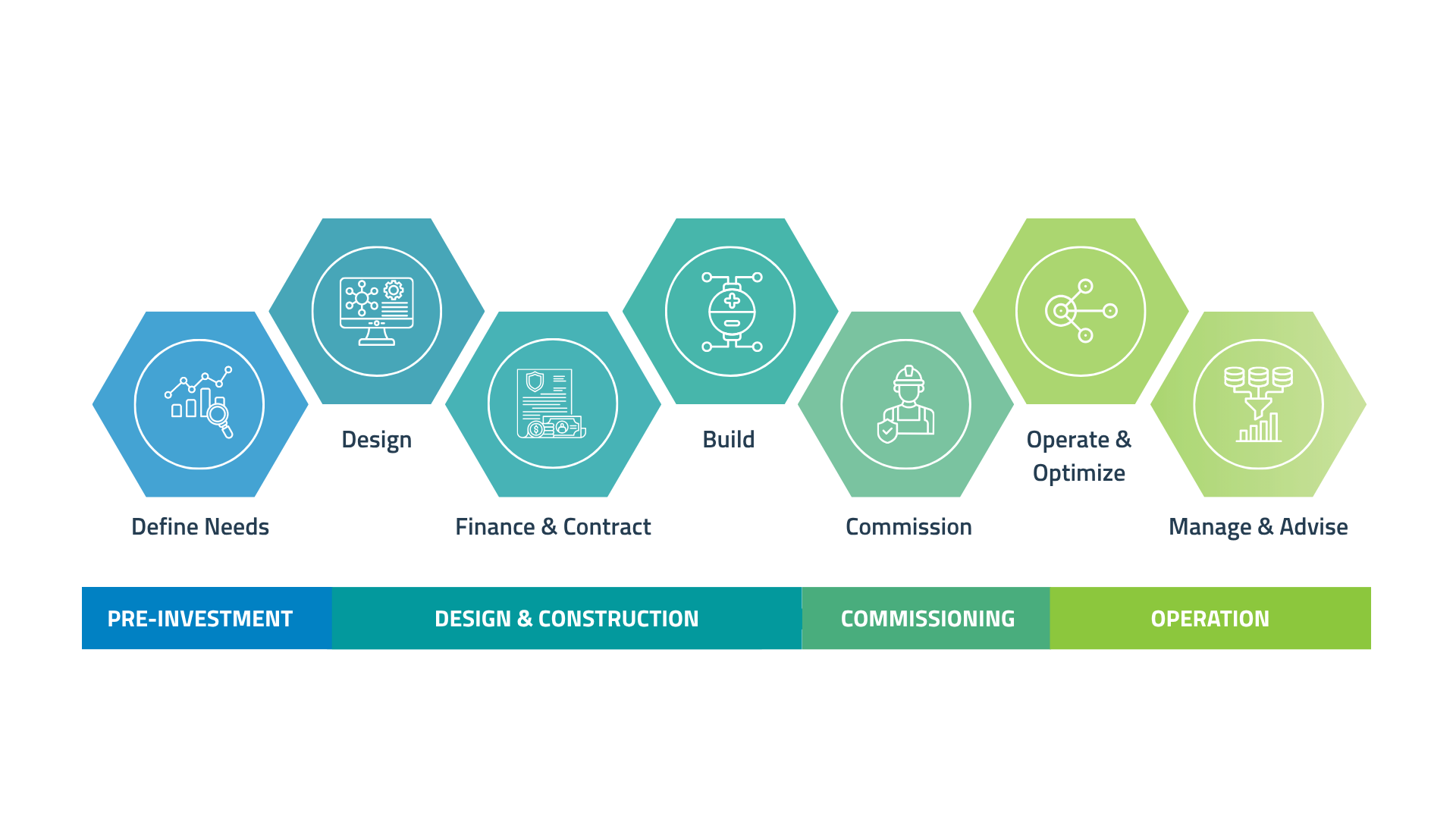
1. Pre-Investment: Define & Plan
Evaluate facility loads, grid constraints, resilience requirements and available energy resources. Early assessments, system modeling and business case development help establish a viable project strategy.
2. Design & Construction: Engineer & Integrate
Develop control system architecture, establish integration requirements and coordinate technologies across equipment vendors and project partners. Where applicable, AZZO can also support commercial and Energy-as-a-Service delivery structures.
3. Commissioning: Test & Validate
Coordinate system integration, testing and commissioning readiness to verify that connected technologies communicate and operate as intended. Early planning helps reduce avoidable delays on the path to operational readiness.
4. Operation: Monitor, Manage & Optimize
Through EnergyX® Lifecycle Services, AZZO provides ongoing monitoring, technical support, maintenance and performance optimization. Managed services help customers maintain visibility, address operational issues and adapt their energy systems as requirements evolve.
Why Work with AZZO?
Rather than managing disconnected control systems and technology vendors independently, customers can work with AZZO as a central integration and service partner.
With expertise spanning advisory, controls, monitoring and lifecycle support, AZZO helps connect the systems and teams responsible for keeping energy infrastructure operating reliably.
CTA: Explore AZZO Lifecycle Services

How AZZO Supports Energy Parks
AZZO helps customers plan, integrate, monitor and control the energy systems supporting complex facilities and campuses.
Working alongside developers, utilities, engineering teams and technology providers, AZZO supports the coordination of electrical infrastructure, energy resources and building systems.
Our capabilities include:
Energy Advisory and Planning: Evaluating energy requirements, technical options and integration strategies.
Systems Integration and Controls: Connecting electrical, building and energy resource control systems.
Energy Monitoring and Visibility: Providing insight into connected assets, electrical performance and operational conditions.
Microgrid and Energy Resource Controls: Supporting coordinated operation of generation, storage and distributed energy resources.
Lifecycle Services: Providing ongoing technical support, monitoring, maintenance and optimization.
Through the EnergyX® Platform and EnergyX® Lifecycle Services, AZZO provides technology and services that help customers manage connected energy infrastructure throughout its operating life.
By engaging early, AZZO can help project teams coordinate multiple systems and vendors, support commissioning readiness and prepare energy infrastructure for future growth.
Final Takeaway
Energy parks bring electricity demand, power infrastructure and energy resources together within a coordinated development.
As these developments grow, integrating the systems responsible for power distribution, generation, storage and building operations becomes increasingly important.
The challenge is not simply providing more electricity. It is ensuring that the infrastructure, controls and technologies supporting a campus can operate together reliably.
AZZO helps connect these systems, providing the integration, monitoring and controls expertise needed to support reliable operations, Speed to Power and long-term performance.