

MICROGRID RESILIENCE & COST
How Do Microgrids Reduce Energy Cost and Improve Resilience?
Energy costs are rising, electrical infrastructure is under pressure, and many organizations are becoming more dependent on reliable power. At the same time, facilities are adding solar, batteries, EV charging, backup generation and more flexible electrical loads. This creates both a challenge and an opportunity.
The challenge is that energy systems are becoming more complex. The opportunity is that the right combination of assets, controls and software can help organizations reduce energy costs, improve resilience and gain more control over how power is produced, stored and consumed.

Microgrids reduce energy cost by giving organizations more control over when and how they use grid power.
Most facilities buy electricity from the grid under tariffs that may include consumption charges, demand charges, time-of-use rates, network charges and other cost components. The most expensive electricity is not always the electricity used in total; it is often the electricity used at the wrong time.
Microgrids can reduce cost in several ways.
How Microgrids Reduce Energy Cost
-
Solar PV and other on-site generation can reduce the amount of electricity purchased from the grid. When a facility uses energy generated on-site, it avoids part of the retail cost of electricity.
The value is highest when the facility can use the energy at the same time it is generated. For example, a commercial facility with high daytime load can directly consume solar energy during operating hours.
-
Many large energy users pay demand charges based on their highest power draw during a billing period. A short peak can create a large cost impact.
A microgrid can use batteries, load control or on-site generation to reduce grid demand during peak periods. This is known as peak shaving. Instead of drawing all required power from the grid at the most expensive time, the facility can discharge a battery, shift flexible loads or use local generation.
-
Where electricity prices vary by time of day, a microgrid can shift energy use away from expensive periods. Batteries can charge when prices are low and discharge when prices are high. EV chargers, HVAC systems, pumps or other flexible loads may also be scheduled to reduce exposure to high-cost periods.
-
Microgrids can reduce dependence on grid electricity and support more predictable energy costs. This is especially important for organizations that need long-term budget certainty or are exposed to high electricity prices, demand charges or grid connection constraints.
In some cases, Energy-as-a-Service models can also help organizations access microgrid infrastructure without owning or operating all the assets themselves. This can reduce capital burden while still providing access to resilient, lower-cost and more sustainable energy.
How Microgrids Improve Resilience
Cost reduction is only one side of the microgrid value proposition. The other major benefit is resilience.
Resilience means the ability to maintain power to critical loads during grid disturbances, outages or abnormal operating conditions. For many organizations, this is not just a convenience. It is an operational requirement.
Microgrids improve resilience in several ways.
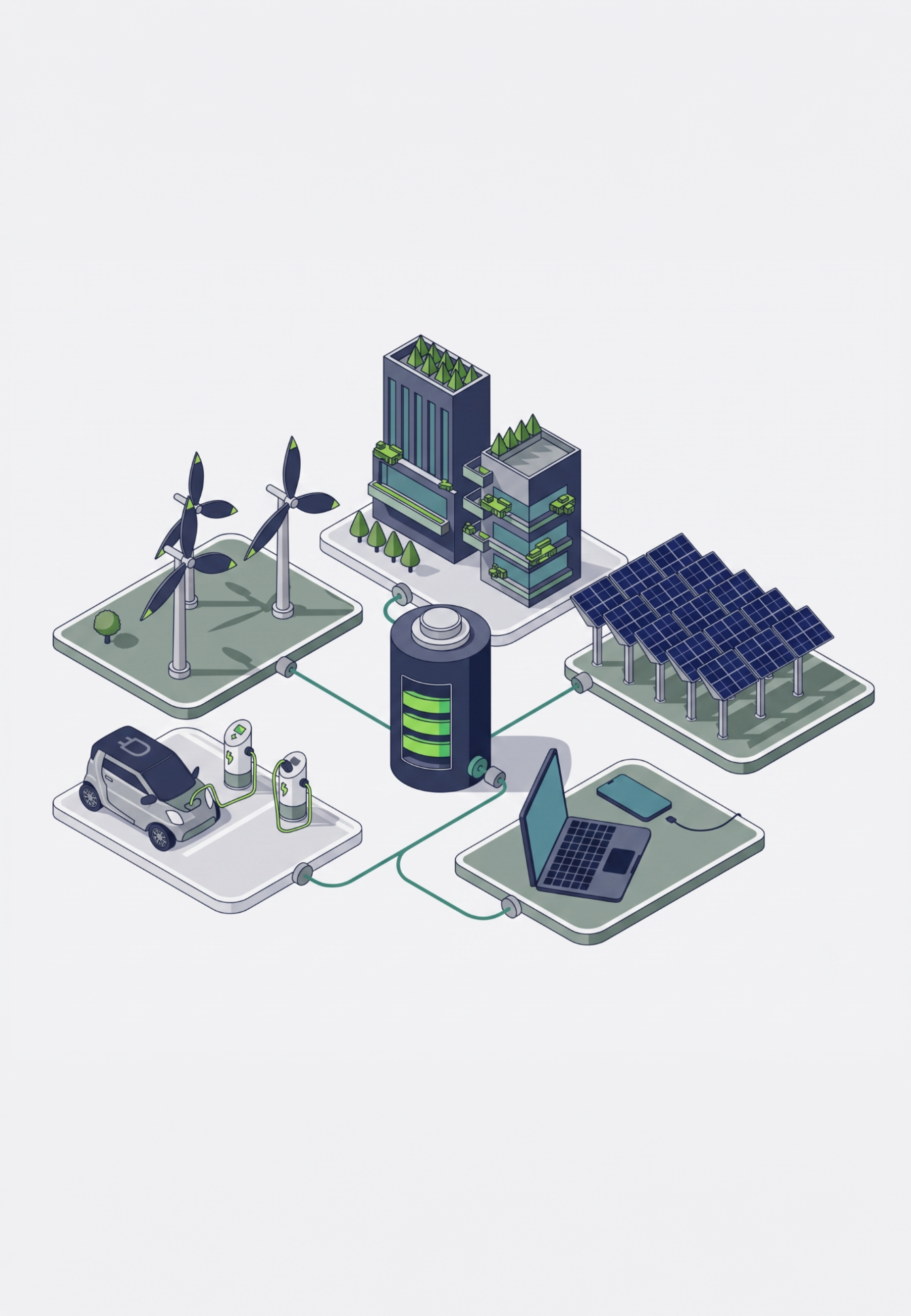
-
Some microgrids can disconnect from the utility grid and continue operating independently. This is called islanding.
When the grid fails, the microgrid controller can isolate the site and coordinate local resources to keep critical loads running. The system may use batteries, solar, generators or a combination of assets to maintain supply.
This is especially valuable for facilities where outages create safety risks, revenue loss, operational disruption or reputational damage.
-
A resilient microgrid does not necessarily need to power everything during an outage. It needs to power the right things.
The system can be designed to prioritize critical loads such as emergency systems, refrigeration, communications, production equipment, security systems, medical equipment or core business operations.
Less critical loads can be reduced, delayed or disconnected to preserve available energy for higher-priority functions.
-
Traditional backup power often depends on a single generator or a limited set of assets. A microgrid can coordinate multiple sources of energy.
For example, solar may support daytime load, batteries may provide fast response and ride-through, and generators may provide longer-duration backup. The microgrid controller coordinates these assets so the site can operate more effectively during grid disruption.
-
A microgrid with real-time monitoring gives operators better visibility into the condition of the energy system. They can see generation, consumption, battery state of charge, equipment status, alarms and power flows.
This visibility improves decision-making during both normal operation and outage conditions. Instead of reacting manually with limited information, operators can rely on automated control logic, alerts and dashboards.
-
Resilience is not only about today’s outage. It is also about preparing for tomorrow’s energy needs.
A well-designed microgrid can adapt as loads change, as more EV chargers are added, as energy tariffs evolve, or as sustainability targets become more demanding. This makes microgrids particularly useful for campuses, industrial sites, data centers, critical facilities and communities with growing energy complexity.
Examples

EXAMPLE 1: University Campus With Solar, Battery Storage and Flexible Loads
A university campus has high daytime energy use, research facilities, student accommodation, lecture buildings and critical IT systems. It also has sustainability targets and wants to reduce electricity costs without compromising reliability.
The campus installs a microgrid that includes solar PV, battery energy storage, advanced metering and a microgrid control platform.
During normal operation, the microgrid reduces cost by maximizing the use of solar energy during the day. When solar generation exceeds immediate demand, the battery can charge. Later, when campus demand rises or electricity prices increase, the battery can discharge to reduce grid imports.
The microgrid can also reduce peak demand. If the campus is approaching a new monthly peak, the control system can discharge the battery or reduce flexible loads to avoid a costly demand event.
From a resilience perspective, the microgrid can support critical facilities during an outage. It may not power every building on campus, but it can prioritize research equipment, communications, security systems and selected buildings. If the system is designed for islanding, it can disconnect from the grid and use local resources to maintain critical operations.
This type of microgrid is valuable because universities often have complex load profiles, large physical campuses, sustainability commitments and a need for reliable power across diverse facilities.

EXAMPLE 2: Food Manufacturing Facility With Refrigeration and Production Loads
A food manufacturing facility has large refrigeration loads, production equipment, compressed air systems and strict product quality requirements. Energy is a major operating cost, and power interruptions can lead to spoiled inventory, production downtime and missed delivery commitments.
The facility installs a microgrid with rooftop solar, a battery system, backup generation and intelligent load control.
During normal operation, the microgrid reduces cost by using solar energy to offset daytime production load. The battery helps reduce peak demand by discharging during high-load periods, such as when refrigeration, production lines and compressors are operating at the same time.
The energy management system can also identify flexible loads. For example, some refrigeration systems may be able to pre-cool within acceptable temperature ranges before a high-cost period, then reduce compressor demand during peak pricing. This must be managed carefully, but when done correctly it can lower costs without affecting product quality.
During a grid outage, the microgrid can prioritize refrigeration, critical production systems, safety equipment and controls. The battery can provide fast response while backup generation starts. Solar can contribute during daylight hours, reducing fuel consumption and extending the duration of backup operation.
For this facility, the microgrid creates value in two ways. It reduces avoidable energy costs during normal operation, and it protects against the much larger financial impact of downtime, spoiled product and operational disruption.
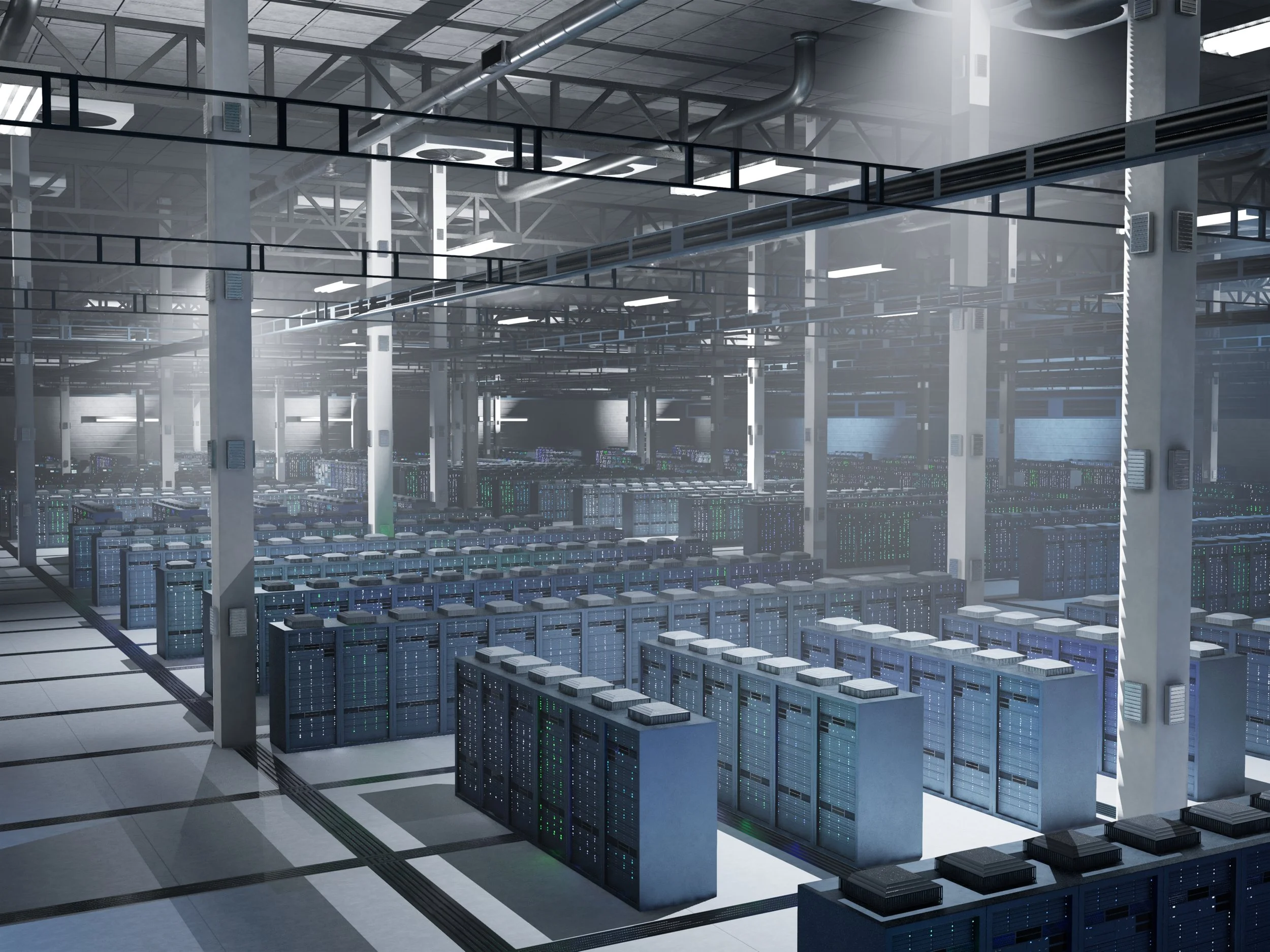
EXAMPLE 3: Data Center or Critical Facility With High Uptime Requirements
A data center or critical facility has a very different energy profile. Power reliability is central to the business. Even short disturbances can create operational, contractual and reputational risk.
The site already has sophisticated electrical infrastructure, including UPS systems, generators, switchgear, meters and power monitoring. However, rising energy demand, grid constraints and sustainability requirements are increasing pressure on the facility.
A microgrid can support both cost management and resilience.
During normal operation, the microgrid can optimize the use of on-site generation, storage and controllable load. If the site has batteries, they may support demand management, grid services or energy market participation when doing so does not compromise backup readiness. The system can also help manage demand peaks caused by high-density compute loads or cooling requirements.
From a resilience perspective, the microgrid coordinates electrical assets to protect critical loads. Batteries provide rapid response. Generators provide longer-duration backup. Controls manage transitions between grid-connected and emergency operating modes. Advanced monitoring gives operators visibility into power flows, equipment status and system readiness.
For a data center or critical facility, the objective is not simply to buy less electricity. The objective is to maintain uptime while improving energy performance. A well-designed microgrid supports both outcomes by connecting energy management with power reliability.
Microgrids Are Not One-Size-Fits-All
A microgrid for a university campus will not look the same as a microgrid for a food manufacturer, hospital, data center, commercial building or remote community.
The right design depends on:
✔️ Energy cost structure
✔️ Load profile
✔️ Outage risk
✔️ Critical load requirements
✔️ Available space
✔️ Grid connection constraints
✔️ Sustainability targets
✔️ Regulatory requirements
✔️ Utility tariff structures
✔️ Existing electrical infrastructure
✔️ Operational capability
✔️ Budget and ownership model
For some organizations, the best approach may be a capital project. For others, an Energy-as-a-Service model may be more appropriate because it can provide access to resilient and sustainable energy infrastructure without the same ownership and operational burden.

Why Control Systems Matter
The economics and resilience benefits of a microgrid depend heavily on the control system.
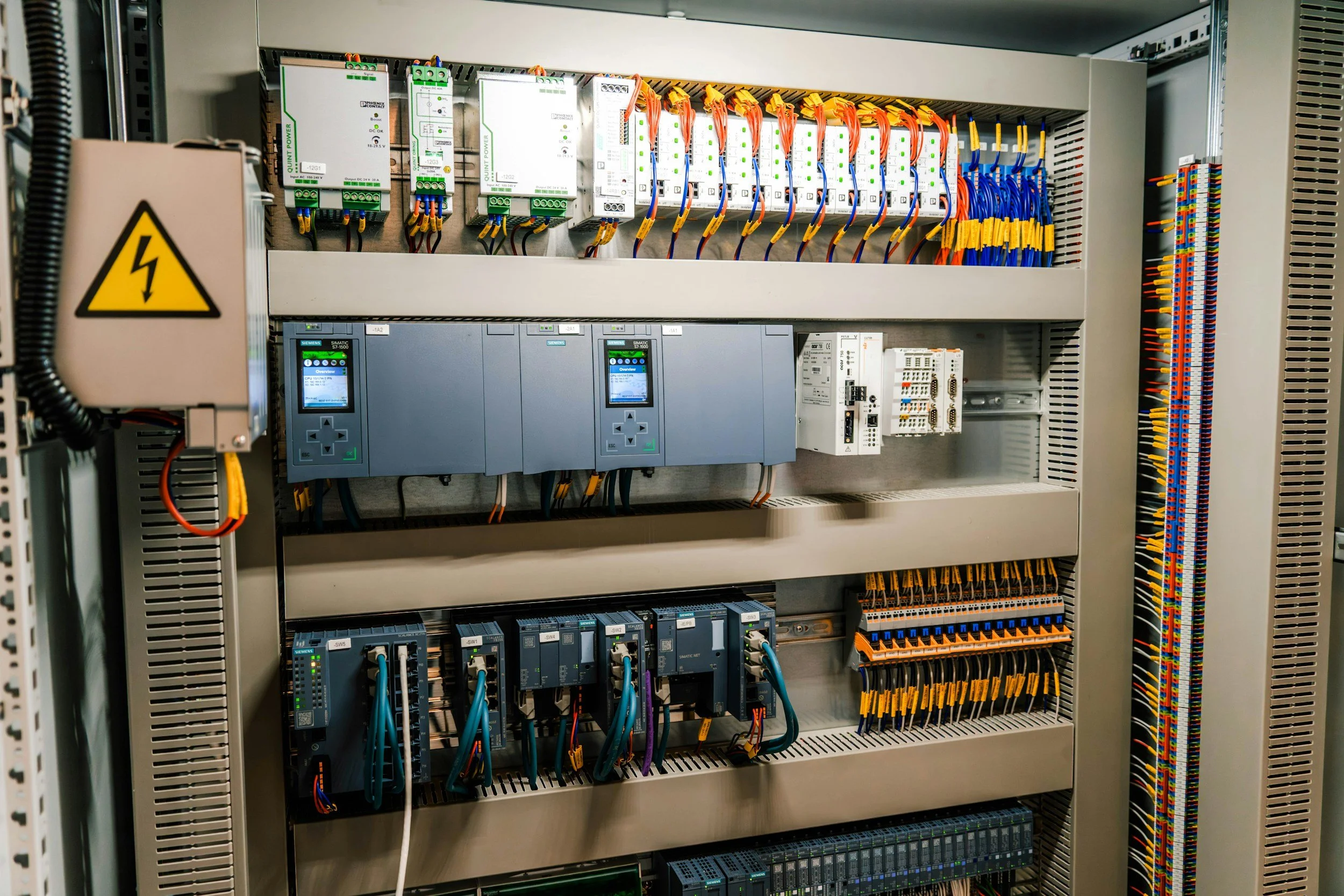
A microgrid controller must make decisions based on real-time data, operating constraints and business priorities. It needs to understand:
Current site load
Solar generation
Battery state of charge
Generator availability
Grid conditions
Utility tariffs
Market signals
Critical load requirements
Equipment limits
Operational priorities
If the control strategy is poor, the battery may be discharged when it should be preserved for backup. Solar may be curtailed unnecessarily. Demand peaks may be missed. Backup systems may not coordinate properly during an outage.
This is why microgrids should not be treated as simple equipment projects. They are operational systems that require design, integration, controls, monitoring and lifecycle support.

Why Data Quality Matters
Microgrids depend on accurate data. If meters are configured incorrectly, if device communications are unreliable, or if assets are not integrated properly, the control system may make poor decisions.
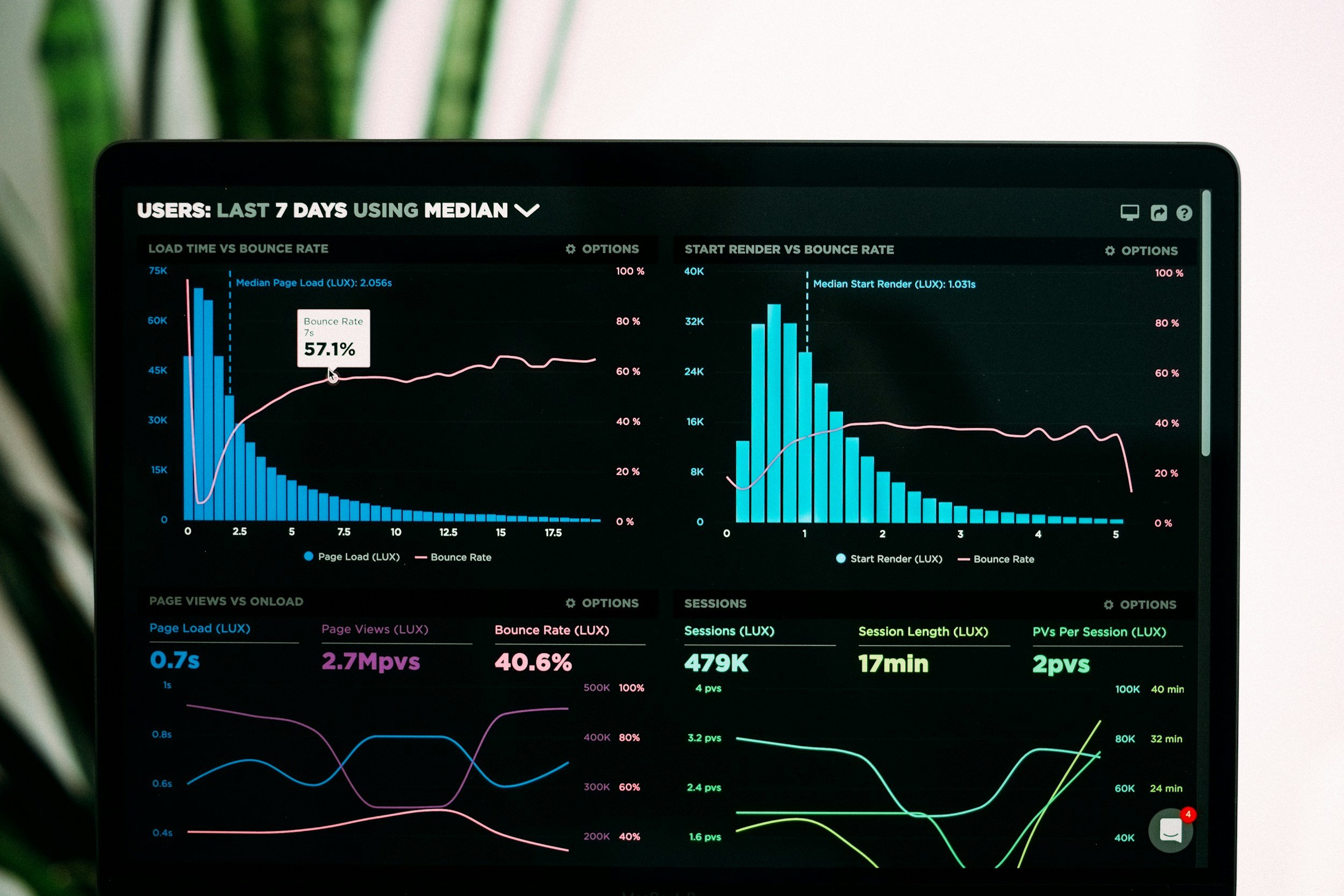
Poor data quality can affect:
Demand management
Solar performance tracking
Battery dispatch
Outage response
Energy reporting
Emissions reporting
Maintenance planning
Market participation
Fault diagnosis
A microgrid should therefore be built on a strong operational technology foundation. That includes reliable communications, cybersecurity, device integration, naming conventions, data validation and ongoing support.

Microgrids and Value Stacking
One of the most important concepts in microgrid economics is value stacking.
Value stacking means using the same energy asset to create more than one type of value.
A battery may provide:
Peak demand reduction
Solar self-consumption
Backup power
Frequency response
Demand response
Market participation
Power quality support
A generator may provide:
Backup power
Resilience during outages
Peak support
Participation in selected demand response programs
Solar may provide:
Lower grid imports
Reduced emissions
Cost savings
Improved energy independence
The more effectively these values are coordinated, the stronger the business case. However, value stacking must be managed carefully. Not every value can be captured at the same time. A battery that is fully discharged for peak shaving may not be available for backup. A generator used for cost optimization must still comply with emissions, permitting and operational constraints.
The role of the microgrid control system is to manage these trade-offs intelligently.
Final Takeaway
Microgrids reduce energy cost by giving organizations more control over when they buy electricity, how they use on-site generation, how they manage demand peaks and how they coordinate distributed energy resources.
They improve resilience by allowing critical loads to keep operating during grid disturbances, by coordinating multiple sources of energy and by giving operators better visibility and control.
The strongest microgrid business cases usually combine both outcomes. They lower operating costs during normal conditions and reduce exposure to outages, downtime and energy volatility during abnormal conditions.
For organizations with rising energy costs, sustainability targets, electrification plans or critical uptime requirements, microgrids are not just an alternative energy project. They are a way to take control of the energy system.