
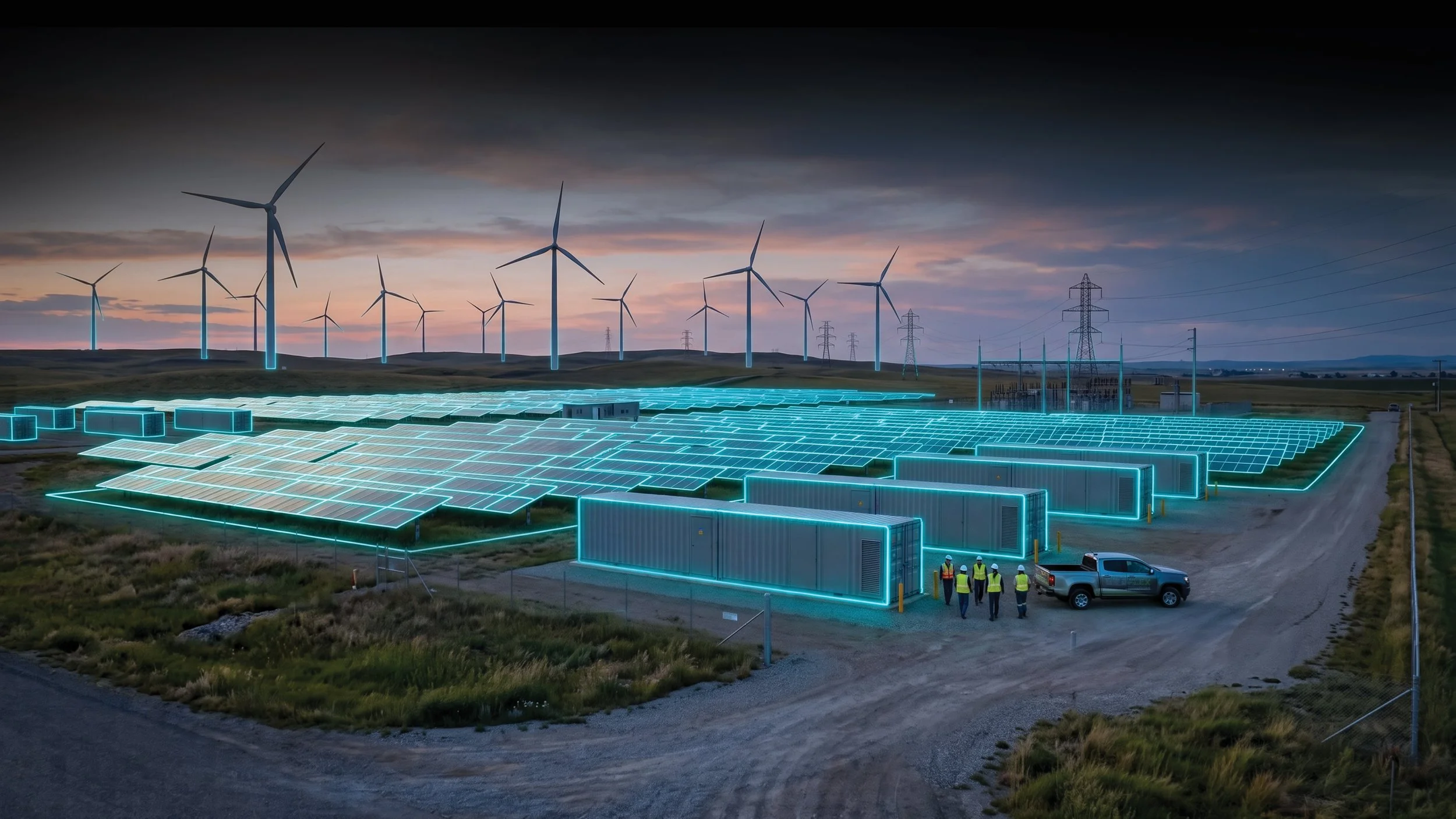
ENERGY PARKS EXPLAINED
What is an Energy Park and Why Does it Matter?
As electricity demand grows, data centers and other energy-intensive facilities face increasing challenges in securing reliable power and preparing for expansion.
An energy park brings together large electricity users and the infrastructure needed to support them. Rather than planning power supply separately from the facilities it serves, an energy park takes a coordinated approach to electricity demand and the systems managing it.
By considering these requirements together, organizations can make more informed infrastructure decisions and better prepare their developments for long-term operation.
The Rise of Energy Parks
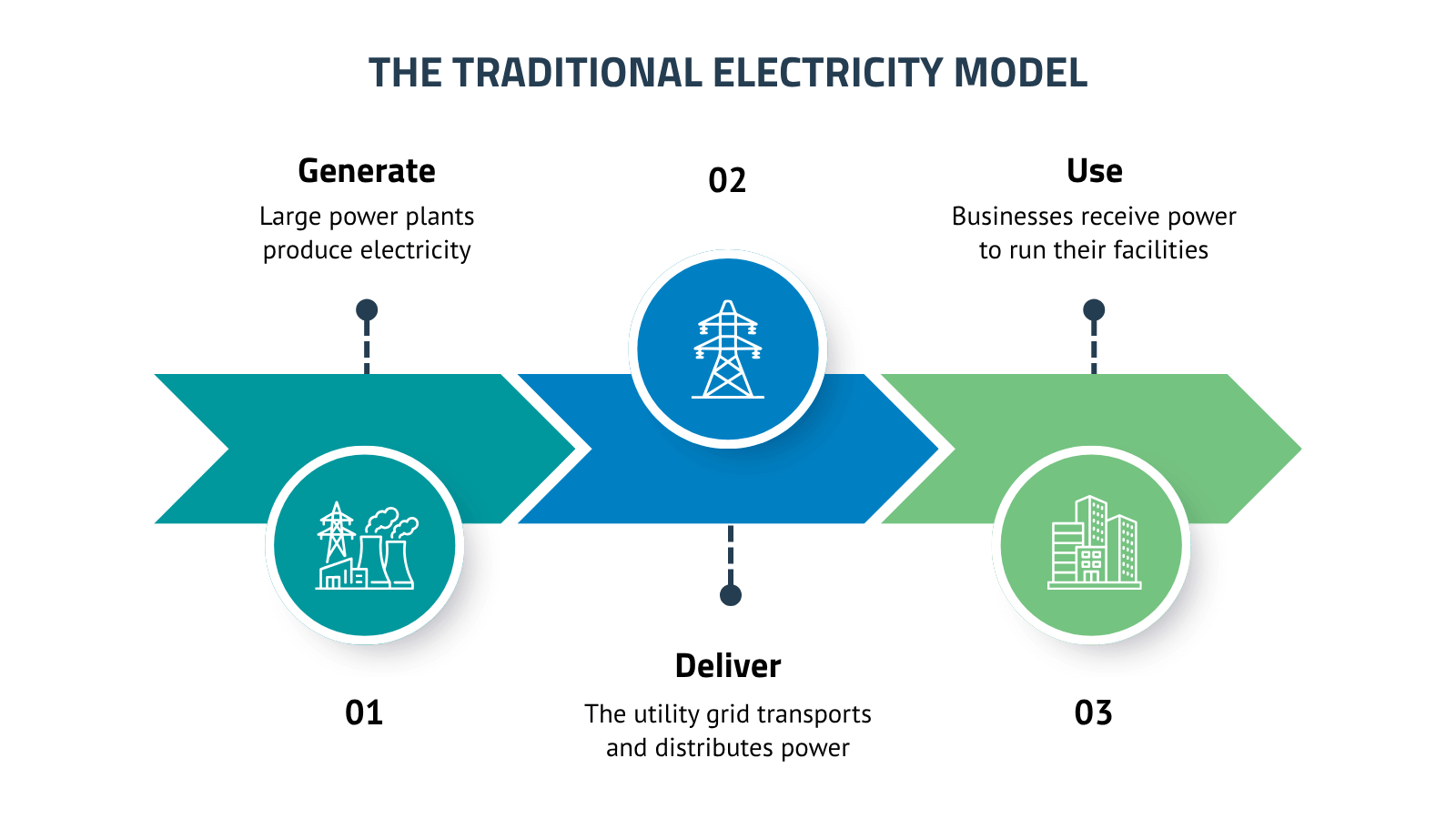
Traditionally, electricity has been generated at centralized power plants and delivered to facilities through the utility grid. While this model remains essential, growing demand from data centers and other energy-intensive industries is placing greater pressure on available grid capacity.
As a result, organizations are exploring ways to supplement grid supply with on-site energy resources while planning for future expansion.
Energy parks reflect this shift by considering a facility's energy needs alongside the infrastructure required to support its operations from the outset.
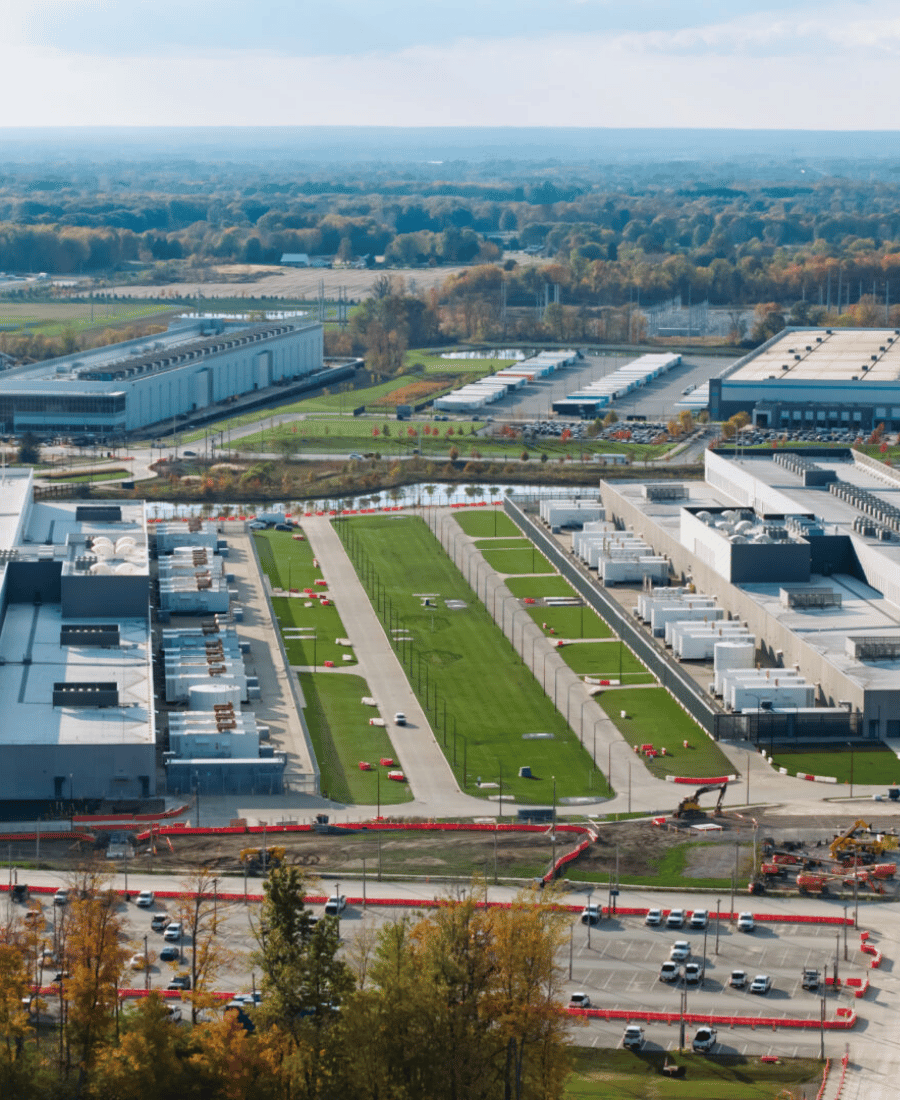
An energy park brings together large energy users, power generation, energy storage and supporting infrastructure within a coordinated site or campus.
The combination of systems depends on the project's energy requirements and available power resources.
What is an Energy Park?
-
The utility grid may provide the main source of electricity. Substations, transformers, switchgear and distribution equipment deliver that power throughout the site.
Planning this infrastructure requires an understanding of available grid capacity and how electricity demand may change as the development expands.
-
Solar, gas generation and other sources can supplement utility supply. Battery Energy Storage Systems (BESS) store energy for later use.
Depending on the project design, these resources can help manage peak demand, provide additional flexibility or support backup power requirements.
In some cases, an energy park may supply power to an entire campus independently, either operating off-grid without a utility connection or in islanded mode when disconnected from the grid.
-
Every piece of equipment that uses power contributes to a site's electrical load, including production machinery, IT systems, cooling and building services.
The combined load determines how much power a facility needs, while operating schedules and equipment usage influence how demand changes throughout the day.
Understanding these patterns, including periods of peak demand, helps project teams plan adequate power capacity and prepare for future expansion.
-
Equipment from different suppliers often has its own control systems. Integration allows these systems to share information and coordinate operations across the site.
Power monitoring and building management systems provide visibility into energy use and equipment performance, while Power Plant Controllers (PPCs) coordinate on-site generation and battery storage.
Together, these systems help operators manage energy resources and respond to changing demand.
The value of an energy park comes not only from its individual assets, but from how effectively they work together.
Control systems are central to making this possible. They connect and coordinate energy resources across the site, helping operators manage performance, respond to changing demand and maintain reliable operations.
How Are Energy Parks Different From Microgrids?
Energy parks and microgrids are closely related, but they serve different purposes within a facility or campus.
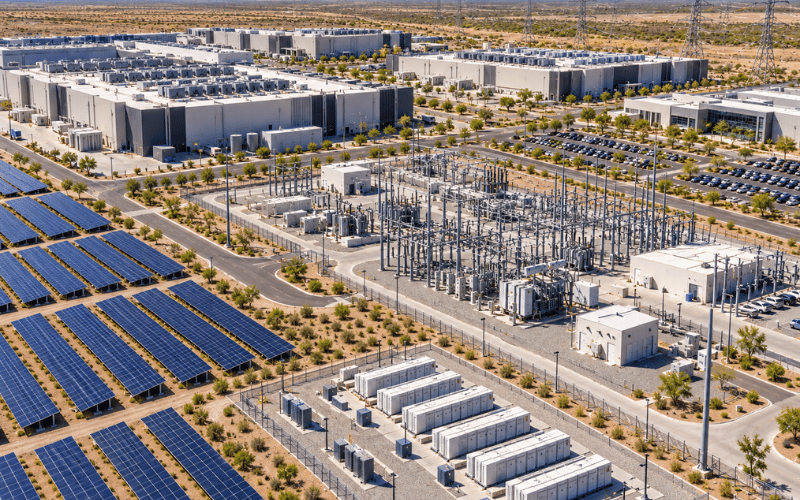
An energy park is a site or campus that brings together energy users and the infrastructure needed to power them, including generation, storage and supporting control systems.
Depending on the project's energy requirements, an energy park may also include one or more microgrids.
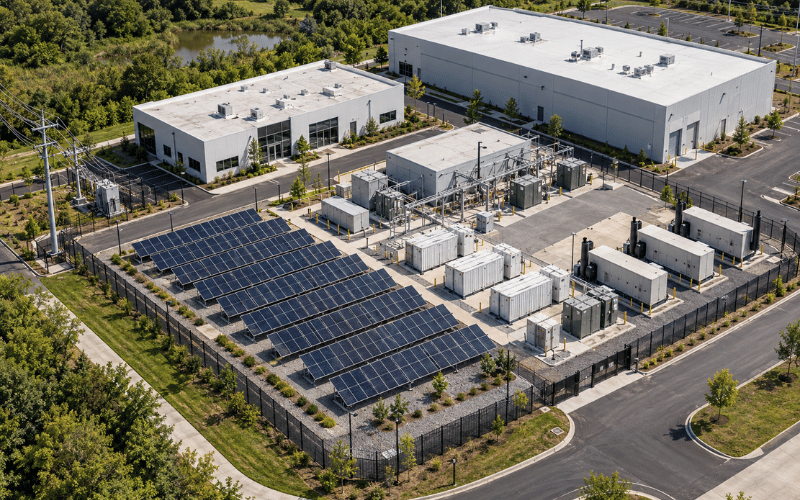
A microgrid is a controllable electrical system connecting local energy resources and loads within defined electrical boundaries.
When designed for islanding, a facility can disconnect from the main utility grid and use the microgrid to power connected loads.
An energy park may include one or more microgrids to support local energy management, power resilience and coordination of generation and storage. Microgrids can also serve individual facilities or communities, so the two terms are not interchangeable.
The key distinction is that an energy park describes the broader site or campus and its supporting energy infrastructure, while a microgrid is a controllable energy system that can operate independently of the utility grid.
Why Energy Parks Matter
Planning power and infrastructure together helps businesses address important challenges as their energy needs grow.

-
Shortening the time between project commitment and operational readiness.
Speed to Power focuses on reducing the time from initial project investment to having energy infrastructure ready for use. Early planning and coordination of power requirements, equipment and control systems can help minimize delays during construction and commissioning, allowing facilities to begin operations sooner.
-
Finding an energy approach that works technically and financially.
When utility capacity or connection timelines create constraints, generation and storage may offer additional options. Evaluating their costs, capabilities and operating requirements together helps businesses make informed investment decisions.
-
Keeping critical operations running during power disruptions.
Understanding critical loads helps determine the right combination of utility supply, on-site generation, energy storage and backup systems. Coordinated monitoring and controls help manage these resources to maintain or restore operations when disruptions occur.
-
Giving facilities more options to meet their changing energy needs.
Depending on the project, energy parks can combine utility supply with on-site generation and storage to provide greater flexibility in how power is supplied and managed. This can help businesses respond to changing demand and adjust their energy strategy as operational needs evolve.
-
Managing power within the site’s connection requirements.
Utilities may set limits on how much electricity a site can draw from or export to the grid. Monitoring and controls help manage energy use within those limits, while secure communications help protect connected systems and data.
Ivan to review
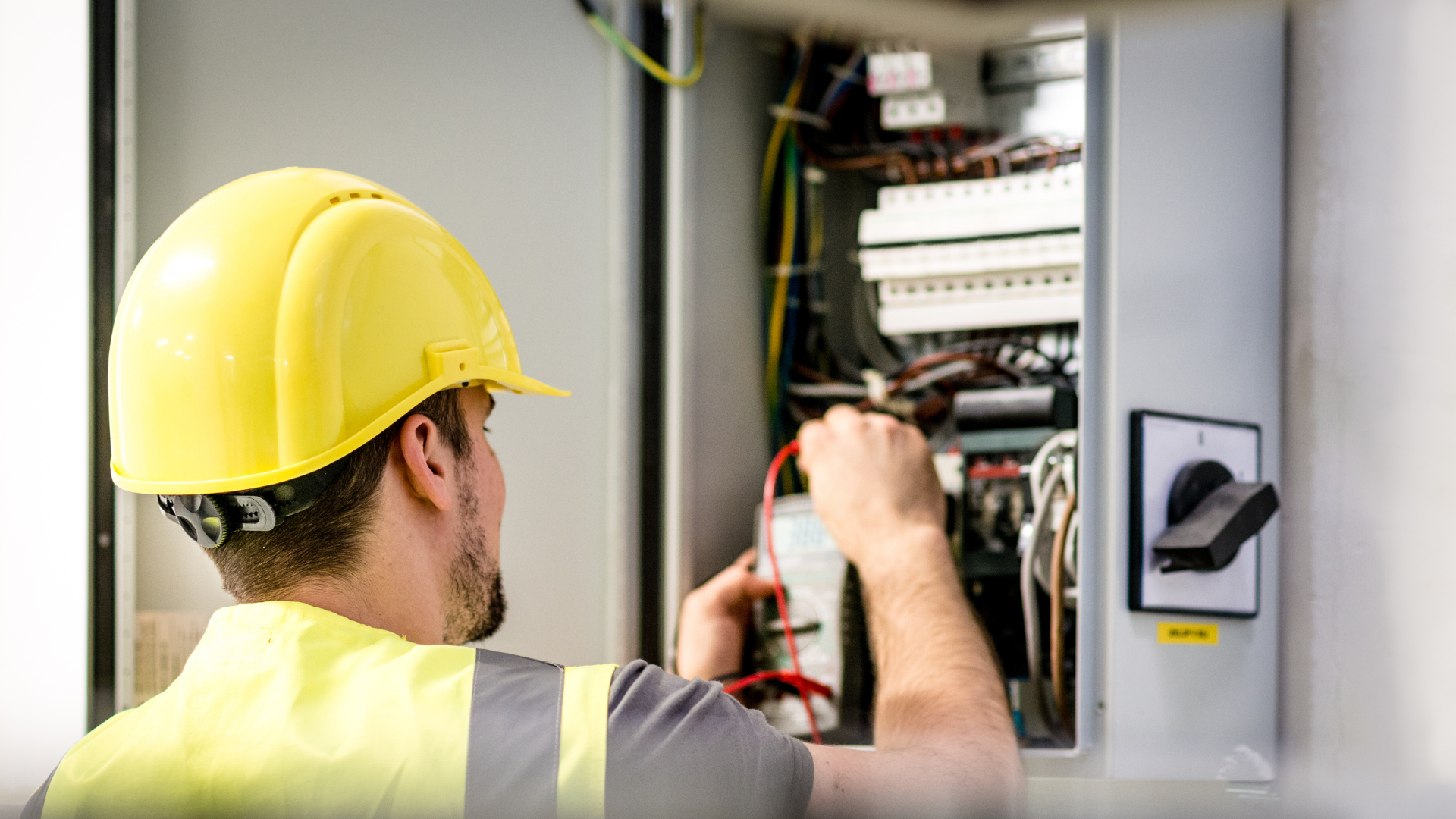
Why Control Systems Matter
Control systems help the different parts of an energy park work together, coordinating energy resources to support changing site needs and reliable operations.
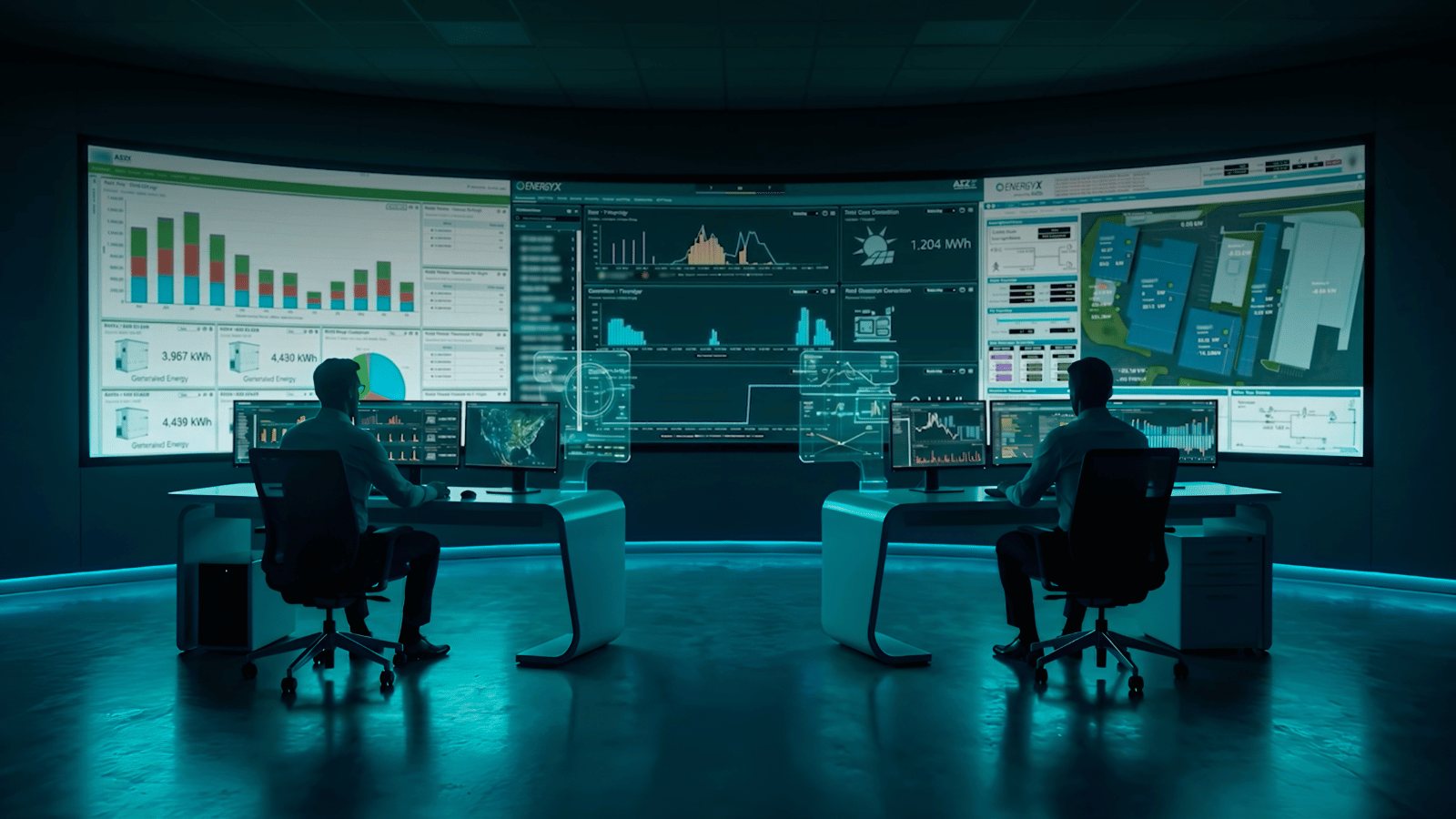
An energy park may have separate control systems for electrical distribution, building operations, generation and battery storage. Each performs a specific function, but how one operates can affect other parts of the site.
For a campus with multiple generators and batteries, coordinating how much power each resource supplies becomes especially important.
This is where a Power Plant Controller (PPC) plays a key role.
A PPC coordinates generation and storage at the plant level, helping manage power output and available reserves based on site demand. Individual equipment controllers continue managing their own equipment, while the PPC helps these resources operate together.
Other systems, such as Electrical Power Monitoring Systems (EPMS) and Building Management Systems (BMS), provide visibility into electrical infrastructure and support building operations.
Making these systems work together requires clearly defined responsibilities and reliable communication between technologies. Planning these connections early helps project teams coordinate suppliers, prepare for commissioning and reduce avoidable integration challenges.
An experienced controls and integration partner like AZZO helps bring these systems together, supporting reliable operations as the site's energy needs evolve.
Example: A Data Center Campus Preparing for Growth
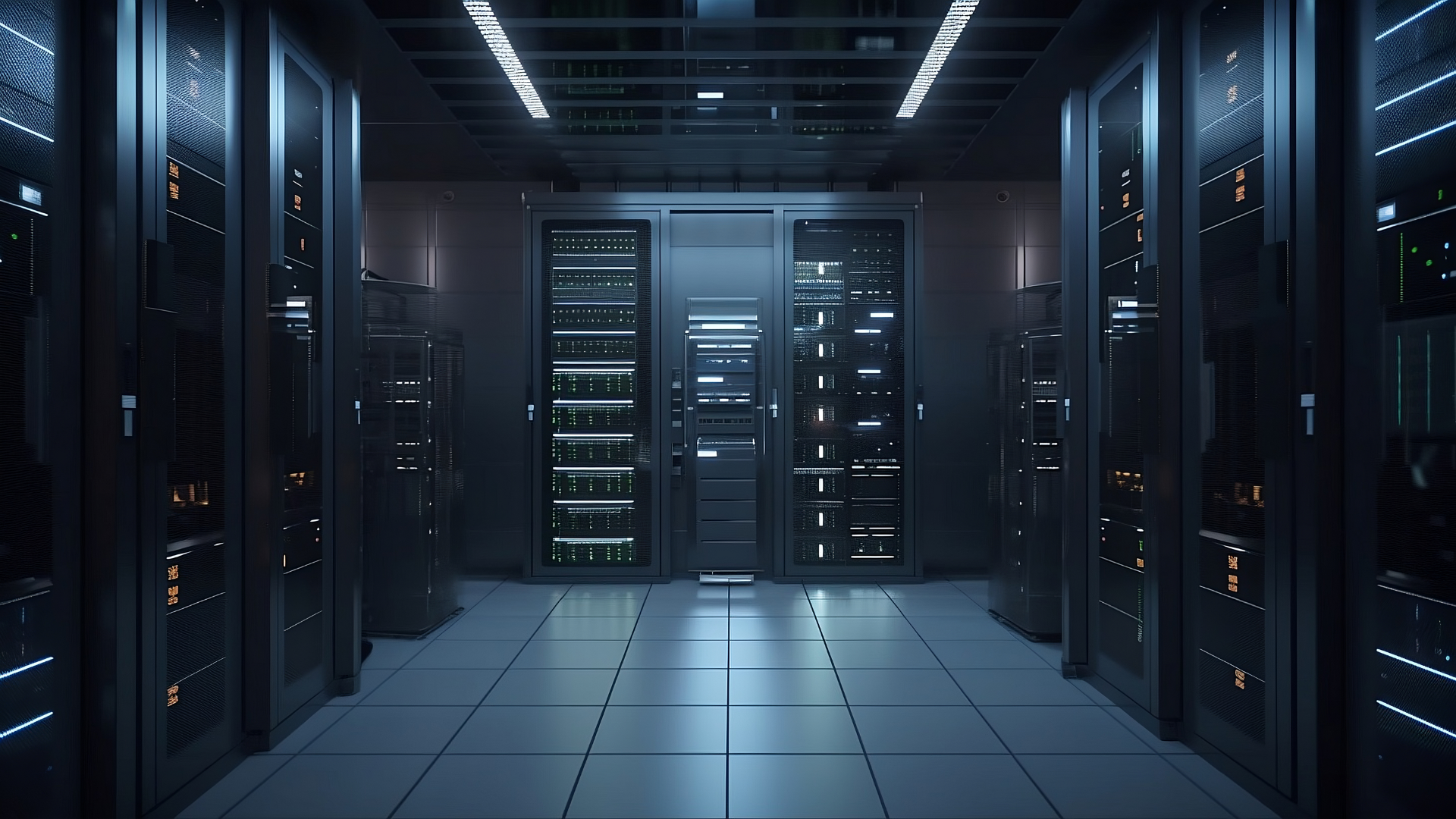
To support this growth, the campus may introduce more on-site generation and battery storage alongside its existing electrical infrastructure.
Each energy resource has its own controls, but the site also needs to coordinate how these resources operate together. A PPC can help manage generation and storage at the plant level, while power monitoring and building management systems provide visibility into electrical conditions and facility operations.
By defining these requirements early, project teams can better coordinate equipment suppliers, prepare systems for commissioning and reduce integration challenges as the campus expands.
This helps ensure new energy infrastructure is ready to support the site's operating requirements.
Consider a data center campus expanding with additional buildings and increasing power demand.

How AZZO Supports Energy Parks
AZZO helps customers plan, connect and manage the energy systems supporting complex facilities and campuses.
Working with developers, utilities, engineering teams and equipment suppliers, AZZO provides expertise across:

Energy Advisory and Planning
Understand site power requirements, assess available energy options, and establish an integration strategy that supports project needs and future growth.

Testing and Commissioning Support
Verify that connected systems communicate and respond as intended, helping project teams identify integration issues and prepare for operation.

Systems Integration and Controls
Connect electrical, building, generation and storage systems. Establish clear interfaces and coordinate requirements across equipment suppliers.

Energy Monitoring and Management
Provide visibility into energy infrastructure and connected equipment through EnergyX® monitoring technology, supported by ongoing technical services and system maintenance.
Supporting Your Energy Infrastructure Beyond Commissioning
As site requirements change or facilities expand, ongoing monitoring and technical support help maintain system performance.
Through EnergyX® Lifecycle Services, AZZO provides continued support based on project requirements and agreed service levels, helping customers manage their infrastructure as energy needs evolve.
Planning an energy park or expanding an existing campus?
AZZO helps connect the energy systems supporting your project, from early planning and controls integration through commissioning and ongoing operations.